
- Dubai Real Estate
- Off-Plan
- Investment Guide
- RERA
Feb 27, 2026
What Exactly Is Off-Plan Real Estate in Dubai?
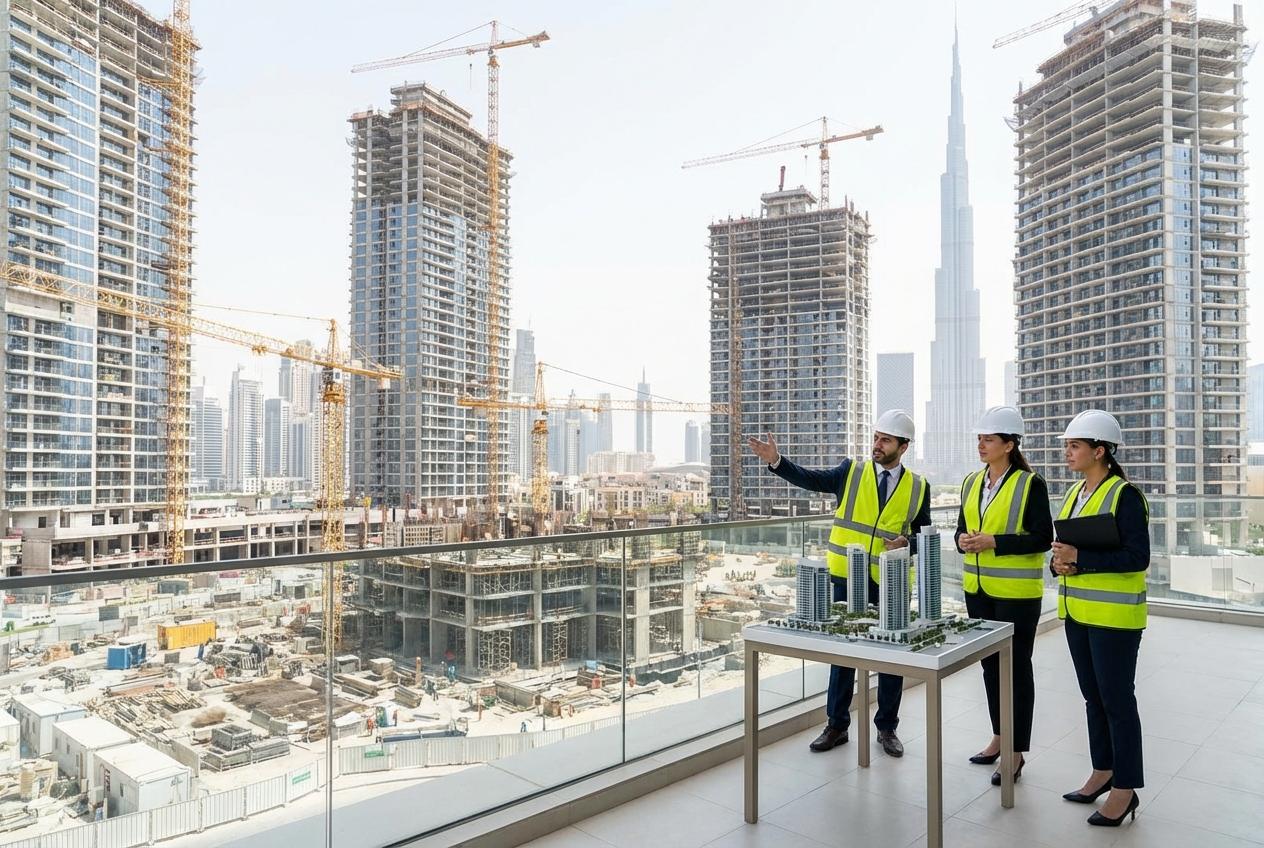
In the dynamic landscape of the United Arab Emirates, "off-plan" is a term frequently used by developers, brokers, and investors alike. At its core, an off-plan property is a residence or commercial unit that is purchased before it has been completed. This means you are buying based on architectural plans, 3D renders, and the reputation of the developer rather than a physical structure you can walk through today.
Dubai has become a global hub for these types of investments, primarily because it allows the city to expand its skyline with cutting-edge designs. If you are new to the region, understanding this concept is vital, and it is often a key pillar mentioned in The Ultimate Guide to Starting Your Real Estate Investment Journey in Dubai.
Why Investors Choose Off-Plan Projects
The primary allure of off-plan property is the financial incentive. Developers typically offer these units at a lower price point than completed properties in the same neighborhood. This price gap exists to compensate the buyer for the wait time and the inherent risks associated with construction.
Capital Appreciation
One of the most significant advantages is the potential for capital appreciation. As the project moves from a simple hole in the ground to a finished skyscraper, the value of the unit generally increases. In a bullish market, an investor might see the value of their property rise by 20% or even 30% by the time they receive the keys.
Flexible Payment Plans
Unlike ready properties where the full amount (or a large mortgage) is required upfront, off-plan projects offer flexible payment plans. These plans are often linked to construction milestones. For example, you might pay 10% on booking, 40% during construction, and the remaining 50% upon completion. Some developers even offer "post-handover" payment plans, allowing you to pay for the property for several years after you have moved in or started renting it out.
Navigating the Legal Protections in Dubai
The Dubai government, through the Dubai Land Department (DLD) and the Real Estate Regulatory Agency (RERA), has implemented strict laws to protect off-plan buyers. This regulatory environment is a major reason why international investors feel confident in the city.
Every off-plan project must have a registered Escrow Account. When a buyer makes a payment, the money does not go directly to the developer’s general bank account; instead, it goes into a third-party account managed by a bank. Funds are only released to the developer once specific construction milestones have been verified by an independent consultant. This ensures that your money is actually being used to build your home.
Furthermore, buyers receive an Oqood, which is a pre-title deed registration. This document acts as a legal proof of ownership in the DLD system even before the building exists.
Risks and How to Mitigate Them
While the rewards are high, off-plan investing is not without its risks. The two most common concerns are construction delays and changes in market conditions. Projects can occasionally be delayed due to logistical issues or economic shifts. While RERA provides some protection against extreme delays, a few months of variance is common in the industry.
To mitigate these risks, investors must focus on the developer’s track record. Tier-1 developers like Emaar, Nakheel, or Sobha have a history of delivering on time and maintaining high quality. Additionally, understanding the broader economic cycle is crucial. For instance, knowing how to align your purchase with future growth can be found in Timing the Market: A Real-World Guide to Dubai Real Estate Investing in 2026.
Selecting the Right Location and Project
In Dubai, location is everything. Emerging areas like Dubai South or the Dubai Islands often offer the highest growth potential for off-plan units because the infrastructure around them is still developing. Established areas like Downtown Dubai or Dubai Marina offer less explosive growth but provide more stability and guaranteed rental demand.
When reviewing a project, don't just look at the bedroom count. Evaluate the amenities, the proximity to public transport (like the Dubai Metro), and the master plan of the entire community. A project that sits next to a planned park or a new mall is likely to appreciate faster than an isolated building.
The Buying Process Step-by-Step
The process of buying off-plan is relatively straightforward. It begins with selecting a unit using floor plans and brochures. After selection, you pay a reservation fee (usually 5% to 10%) and provide passport copies for booking. Next, you sign the Sales and Purchase Agreement (SPA), which outlines all terms and the expected completion date. Registration follows, where you pay the 4% DLD fee and the Oqood registration fee. Throughout the construction period, you follow the agreed payment schedule. Finally, at handover, you conduct a snagging inspection to identify any defects before taking possession and receiving the title deed.
Final Thoughts
Off-plan real estate remains one of the most popular ways to enter the Dubai market. It offers a barrier to entry that is lower than the secondary market while providing a pathway to high returns. However, it requires due diligence, patience, and a clear understanding of the legal landscape. By choosing the right developer and staying informed on market trends, you can build a robust property portfolio in one of the world’s most exciting cities.