
- Real Estate Investment
- Dubai 2026
- Off-Plan vs Ready
- Property Strategy
2/28/2026
The Evolving Landscape of Dubai Real Estate in 2026
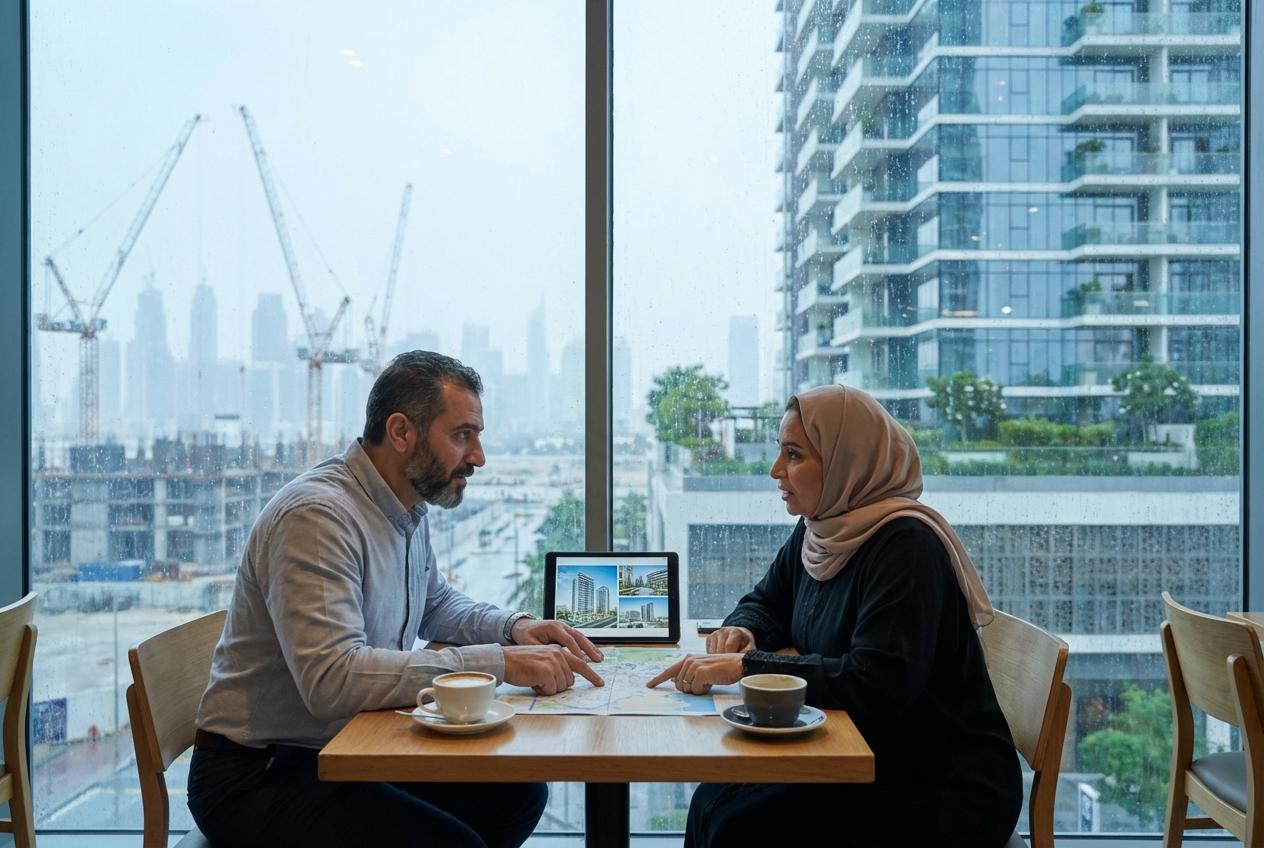
As we navigate through 2026, Dubai’s real estate market remains a global powerhouse of opportunity. With the city's population continuing its upward trajectory and the D33 Economic Agenda driving massive infrastructure improvements, the choice for investors often boils down to a fundamental dilemma: Should you buy a property that is still on the drawing board or one that you can step into today? Both off-plan and ready properties offer distinct advantages and challenges in the current economic climate.
Understanding the nuances of each option is essential for anyone looking to optimize their portfolio. In 2026, the market has matured significantly, with tighter regulations and higher construction standards, making the decision-making process more about strategy than mere speculation. Whether you are seeking immediate rental income or long-term capital growth, your choice will define your financial trajectory for the next decade.
The Case for Off-Plan Properties in 2026
Off-plan properties—those still under construction or in the planning phase—continue to be a favorite for investors looking for lower entry points and higher capital appreciation. By the time a project is completed in 2026 or beyond, the market value of the unit often exceeds the initial purchase price. This 'built-in' equity is one of the primary drivers of the off-plan sector.
One of the most attractive features of off-plan investments is the flexibility of payment plans. Most developers offer structured schedules, such as 60/40 or 50/50, where a significant portion of the cost is paid only upon completion. This allows investors to manage their cash flow more effectively without needing the full capital upfront. If you are curious about the specific financial requirements, you might want to read about How Much Money Do You Really Need to Start Investing in Dubai Off-Plan Property? to understand the initial outlays involved.
Modern Design and Sustainability
In 2026, new developments are adhering to much stricter sustainability and smart-home standards than buildings completed just a few years ago. By buying off-plan, you are essentially securing a property that features the latest architectural trends, energy-efficient cooling systems, and integrated technology. These factors not only improve the living experience but also make the property more attractive to future tenants and buyers who prioritize ESG (Environmental, Social, and Governance) factors.
The Allure of Ready Properties
On the other side of the coin, ready properties—units that are already completed and habitable—offer the security of 'what you see is what you get.' In a market as dynamic as Dubai's, the ability to inspect a finished product, walk through the lobby, and test the amenities is an invaluable risk-mitigation tool. For many, the uncertainty of construction timelines is a deterrent that makes secondary market units more appealing.
The biggest advantage of a ready property is immediate utility. Whether you are an end-user looking to move in or an investor seeking immediate rental yield, a ready property starts working for you the moment the keys are handed over. In 2026, with rental rates in prime areas like Dubai Marina, Business Bay, and JVC remaining robust, the ability to collect rent from day one can significantly offset mortgage costs or provide a steady stream of passive income.
Immediate ROI and Financing
Ready properties are also generally easier to finance through traditional bank mortgages compared to off-plan units. While off-plan projects require specific developer approvals and often have limits on loan-to-value ratios during construction, a ready property can be appraised immediately by a bank, often leading to smoother financing transitions for first-time buyers. This is a critical component of The Ultimate Guide to Starting Your Real Estate Investment Journey in Dubai.
Strategic Comparison: ROI and Risk
When comparing the two, you must look at your personal risk tolerance. Off-plan carries the risk of project delays, though the UAE government has introduced stringent escrow account laws to protect investor funds. For a deeper dive into these protections, refer to our Understanding Off-Plan Real Estate in Dubai: A Comprehensive Investor's Guide. Ready properties, while safer regarding delivery, may require more maintenance and might not appreciate as aggressively as a brand-new project in a developing neighborhood.
Market Timing in 2026
Timing remains a crucial element. In 2026, some sectors of the market may be approaching a peak, while others are just beginning to flourish due to new metro expansions or urban developments. Savvy investors are looking at Timing the Market: A Real-World Guide to Dubai Real Estate Investing in 2026 to identify which districts are better suited for off-plan versus ready purchases.
For instance, in established areas like Downtown Dubai, ready properties might be the wiser choice due to the scarcity of new land. Conversely, in emerging zones like Dubai South or the outskirts of Dubailand, off-plan projects offer the chance to get in on the ground floor of the city's next big expansion phase.
Conclusion: Which Should You Choose?
Ultimately, the decision between off-plan and ready real estate in 2026 depends on your timeline. If you have the patience to wait 2-4 years and want to maximize capital gains with a flexible payment schedule, off-plan is likely your best bet. However, if you require immediate residency, a physical asset you can touch, or instant rental income to cover your expenses, the ready market is where you should focus your search.
The Dubai market in 2026 is robust enough to support both strategies, provided you perform due diligence on developers and locations. By balancing the potential for high returns against the need for immediate stability, you can build a diversified portfolio that stands the test of time.